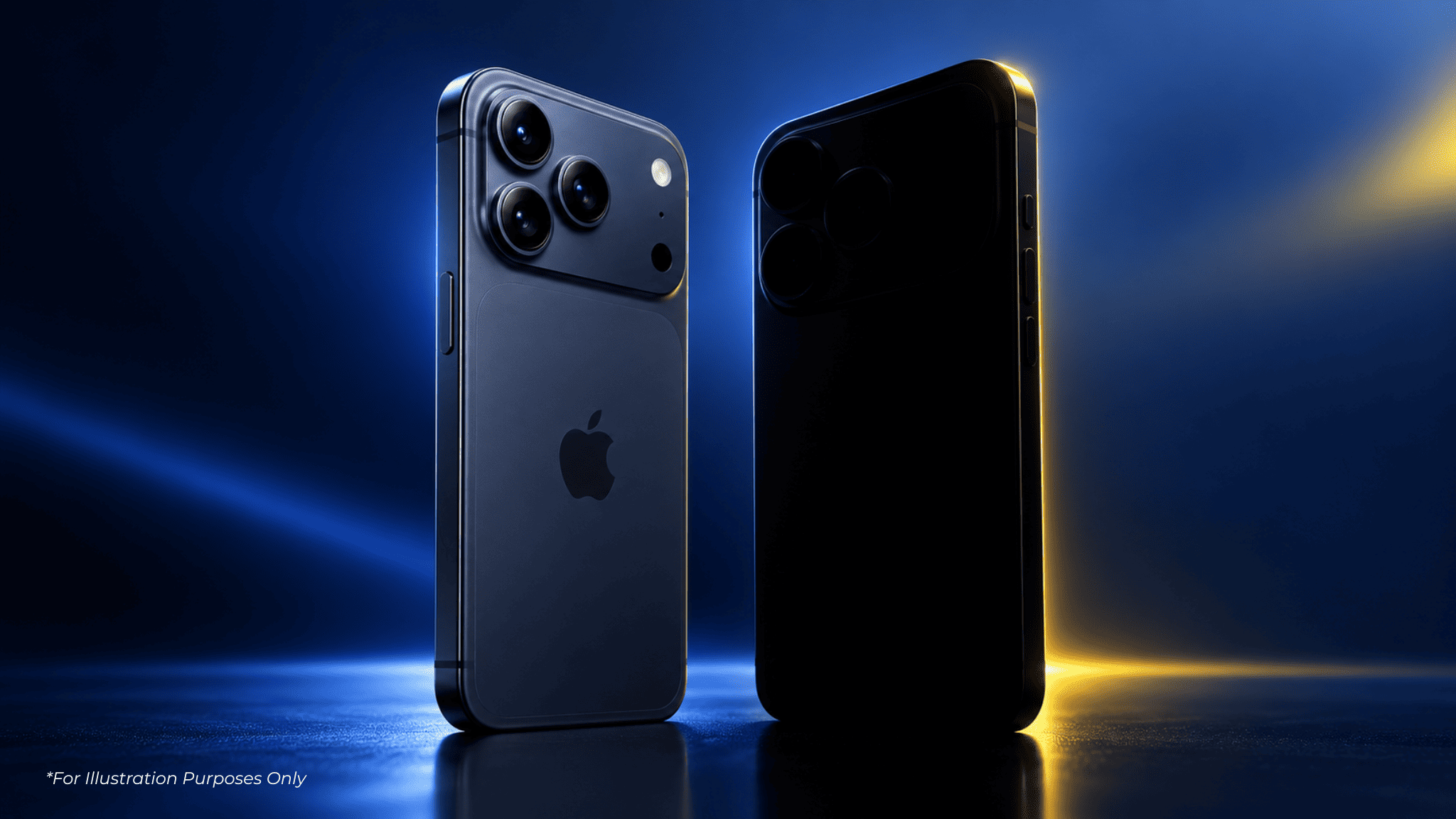


Your iPhone might already be a better webcam than whatever's built into your Mac. Here's how Continuity Camera actually works, and how to set it up in minutes.


Somewhere in a Mac's Settings menu is a feature that quietly makes every built-in laptop webcam look worse by comparison, and most Mac owners have never turned it on. Continuity Camera turns an iPhone into a Mac's webcam, and it's not a gimmick, it's genuinely better hardware doing a job Apple's own laptop cameras were never great at.
Continuity Camera lets a nearby iPhone act as a Mac's webcam automatically, using the iPhone's superior camera hardware for video calls, with no cables or app required if both devices are signed into the same Apple ID and near each other.
Continuity Camera automatically detects a nearby iPhone and offers it as a camera source in apps like FaceTime, Zoom, and most video conferencing software, along with extra features like Center Stage (keeping you framed as you move), Studio Light, and Desk View, which shows an overhead view of your desk simultaneously with your face.
The camera automatically pans and zooms to keep you in frame as you move around, no more leaning awkwardly back into shot after reaching for something.
Dims the background slightly and brightens your face, a software lighting fix for anyone whose desk setup doesn't include a proper ring light.
Shows an overhead view of your desk in a separate window at the same time as your regular camera feed, using the iPhone's ultra-wide lens. Genuinely useful for showing physical documents or demos without picking anything up.
Filters out background noise, keyboards, traffic, a noisy household, so your voice comes through clearly without needing a separate microphone.
Continuity Camera works wirelessly with no setup required as long as both devices are signed into the same Apple ID, Wi-Fi and Bluetooth are on, and the iPhone is nearby; for a more stable connection, it can also be mounted and connected with a USB cable.
No app to install, no pairing process. As long as the iPhone and Mac are signed into the same Apple ID with Wi-Fi and Bluetooth switched on, the Mac automatically offers the iPhone as a camera option.
Open FaceTime, Zoom, Google Meet, or most other video call software, and select the iPhone from the camera source list, the same way you'd pick any external webcam.
A basic magnetic mount that clips to the top of a laptop screen keeps the iPhone stable and correctly angled. Wired via USB-C also keeps it charging during long calls, worth doing if this becomes a daily setup rather than an occasional trick.
For most people, Continuity Camera outperforms both a MacBook's built-in webcam and the majority of budget standalone webcams, since it uses the same camera sensors found in recent iPhones, without requiring an additional purchase if an iPhone is already owned.
Here's the practical comparison: MacBook webcams have historically been mediocre, limited by how thin the laptop lid needs to be. A dedicated external webcam fixes that, but it's an extra purchase, one more cable, one more thing sitting on your desk. Continuity Camera solves the same problem using hardware you already own and are already carrying around anyway. The only real catch is that it ties up your iPhone for the duration of the call, not ideal if you also need your phone free for something else at the same time.
Continuity Camera needs iPhone XS or XR (2018) or later running iOS 16 or later, paired with a Mac on macOS Ventura or later. That's an older cutoff than most people assume, if your iPhone is from the last several years, it almost certainly qualifies.
Quick answers on setting up and using Continuity Camera.
No. As long as the iPhone and Mac are signed into the same Apple ID with Wi-Fi and Bluetooth switched on, the Mac automatically detects the iPhone as an available camera source, no app or pairing process required.
Yes. Once available, the iPhone appears as a standard camera source in most video call software, including Zoom, Google Meet, and Microsoft Teams, not just Apple's own FaceTime.
iPhone XS or XR (2018) or later running iOS 16 or later, paired with a Mac on macOS Ventura or later. Some extra features, like Desk View and Studio Light, need newer camera hardware and may not work on the oldest supported iPhones.
No, it works wirelessly. A USB-C cable connection is optional and mainly useful for keeping the phone charged and physically stable during longer calls, not a requirement for the feature to function.
Desk View uses the iPhone's ultra-wide lens to show an overhead view of the desk in a separate window, displayed at the same time as the regular face-on camera feed, useful for showing physical documents or objects during a call.
Sources: Apple — Continuity features overview