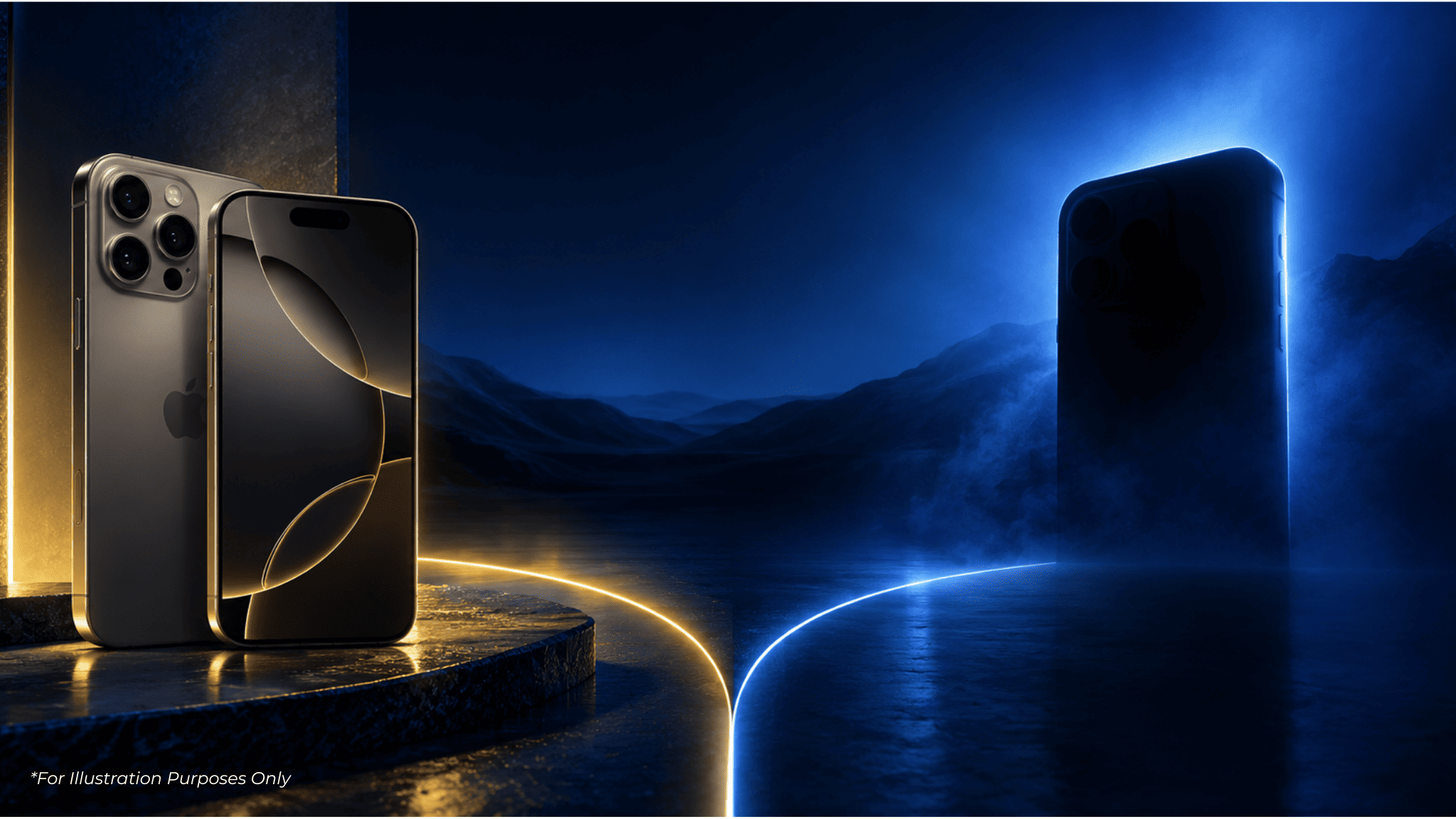

Apple’s rumoured first foldable, possibly called iPhone Ultra, is tipped for a 9 September reveal. Here’s what reports suggest on specs, speculative Malaysia pricing, and how it could compare with Samsung’s Z Fold.


For years, the question was if. Now it's just when, and that when is 9 September 2026, which lands at 1:00 AM on 10 September in Malaysia. Apple is widely expected to finally unveil its first-ever foldable iPhone at this year's "Surprise and Shine" event, and tech circles haven't been this worked up about an Apple launch since the original iPhone showed up. The device going by the name iPhone Ultra isn't just another Pro upgrade with a fresh coat of paint. If the rumours hold, it might be the most interesting thing Apple has put in anyone's pocket in a decade.
Here's what the rumour mill is pointing to on how it looks, what it'll cost, and what it actually means if you're shopping in Malaysia.
Samsung has been making foldables since 2019. Apple has watched, waited, and if the signals are right, figured out how to do it in a way that's distinctly Apple. The iPhone Ultra isn't chasing Samsung. It's doing its own thing. Whether that's the right call is something we'll know on 9 September.
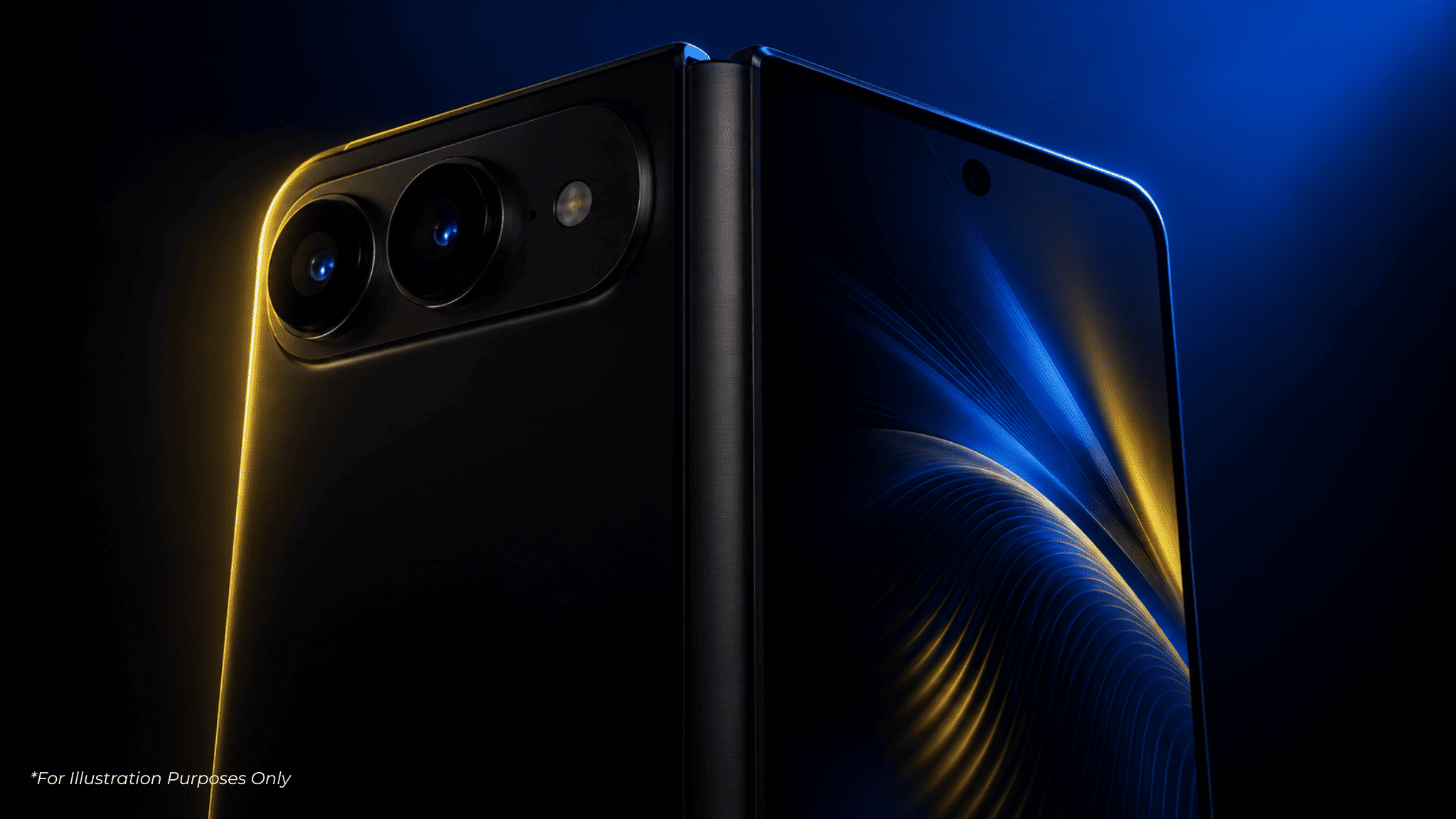
The iPhone Ultra is Apple's expected first foldable smartphone, a book-style design with a 5.5-inch outer display that opens to a 7.8-inch inner screen, roughly iPad mini-sized. It's expected to run Apple's A20 chip, with Touch ID replacing Face ID for this first generation.
Think of it as two phones stitched together. Closed, it looks like an ordinary smartphone with a 5.5-inch screen. Nothing to see here, fits in your pocket like anything else. Open it up, though, and suddenly you've got a 7.8-inch display in roughly the footprint of an iPad mini, big enough for real multitasking or watching a movie without leaning in and squinting.
What actually sets the iPhone Ultra apart from Samsung's version, going by what trusted sources like Bloomberg's Mark Gurman and supply-chain analyst Ming-Chi Kuo (via Macworld) have been saying, is the shape. Samsung's Z Fold series goes tall and skinny when it opens. Apple is reportedly going wide and square instead, which pushes the inner screen's proportions much closer to an actual tablet than a stretched-out phone. That matters more than it sounds like it should, especially for reading and video.
The hinge is supposedly a titanium alloy mechanism engineered specifically to fight the crease, which has been foldable phones' one persistent, unglamorous flaw since the category existed. Whether Apple has actually solved it, or just made it less obvious, is something we'll only really know once it's demonstrated live.
One detail that keeps coming up: Face ID is out, Touch ID is back. Fitting Face ID's sensors into a foldable this thin is apparently a problem Apple hasn't cracked yet, at least not for a first generation product. Some people will call that a step backward. Most will just use their thumb and move on with their lives.
Samsung has had seven generations to perfect the foldable formula. Apple is walking in on day one, but with its software ecosystem, its retail presence, and what looks like a genuinely different design philosophy. The comparison isn't as one-sided as you might think.
| iPhone Ultra (expected) | Samsung Galaxy Z Fold 8 | Samsung Galaxy Z Fold 8 Ultra | |
|---|---|---|---|
| Inner display | 7.8 inches | 7.6 inches | 8.0 inches |
| Outer display | 5.5 inches | 6.3 inches | 6.5 inches |
| Chip | A20 | Snapdragon 8 Elite 2 | Snapdragon 8 Elite 2 |
| Cameras | Dual 48MP | Triple camera | Triple + periscope telephoto |
| Biometrics | Touch ID | Side fingerprint | Side fingerprint |
| Est. Malaysia price | ~speculative RM9,000–11,000 | ~RM5,999–7,299 | ~RM7,499–8,999 |
| Availability | 9 September 2026 (expected) | Available now | Available now |
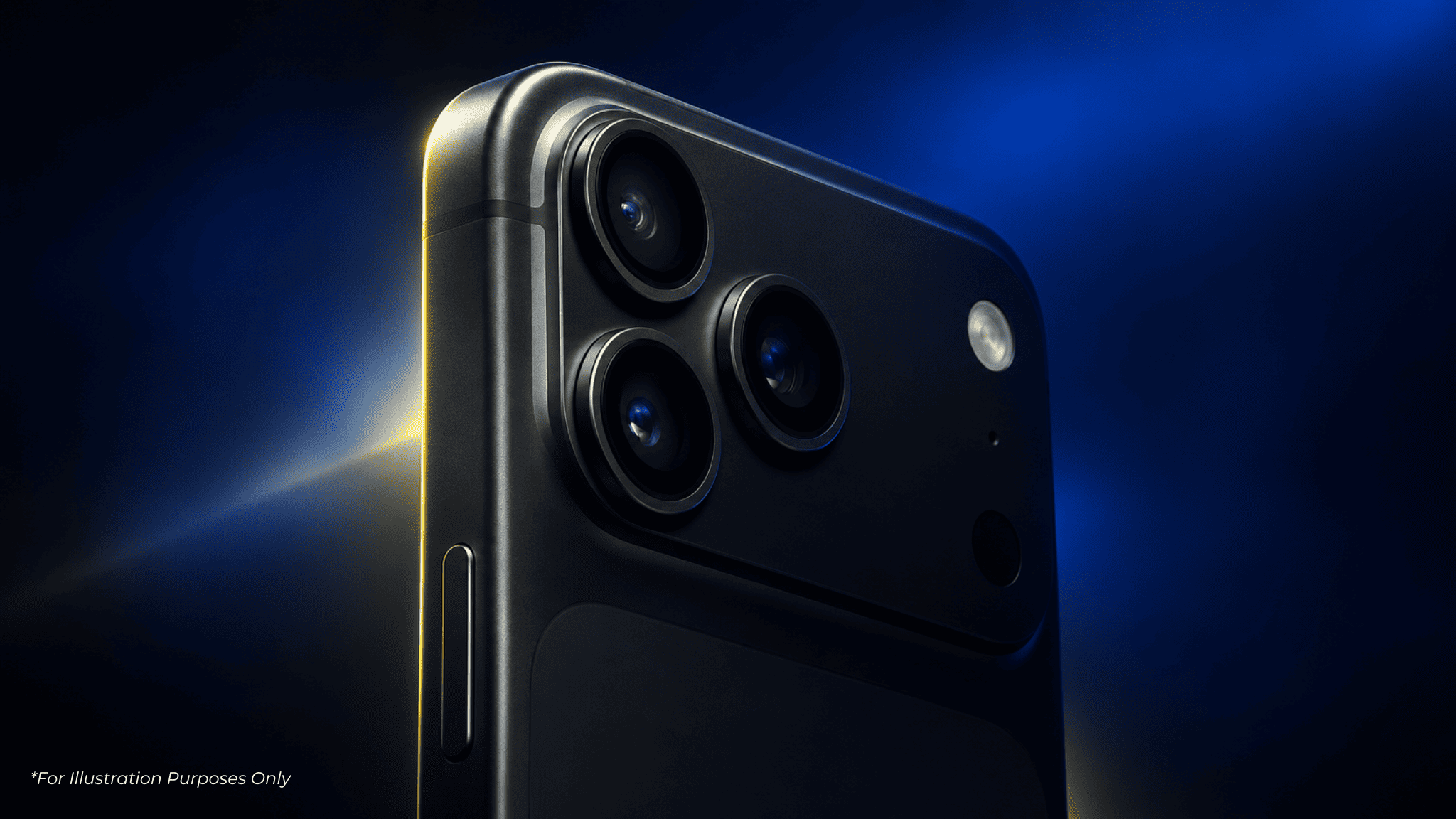
On cameras, Samsung simply has more glass this round, three lenses against the iPhone Ultra’s expected two. If shooting versatility is what you care about, that's a real edge. But Apple's processing has a habit of outperforming its own spec sheet, and the A20 chip's on-device AI is expected to carry a lot of the computational photography load. Samsung wins on paper. Real-world use is a fairer fight than the numbers suggest.
Official pricing is confirmed only at Apple's 9 September keynote. Based on analyst estimates for the US starting price (USD 1,999 to 2,399), the iPhone Ultra is expected to cost approximately a speculative RM9,000 to RM11,000 or more in Malaysia, depending on storage and exchange rates.
None of this is official. Apple only confirms pricing once it's on stage, not a minute before. But stack up Bloomberg's reporting, Ming-Chi Kuo's supply chain tracking, and the usual pattern of how Apple converts US prices into Malaysian ringgit, and RM9,000 is roughly where the conversation is settling for the base model. Take it as an educated guess, not a receipt.
For a sense of scale, the top-spec iPhone 17 Pro Max already broke RM8,000 in Malaysia. If the numbers circulating for the Ultra hold up, this could land in territory Apple has simply never charged for a phone before. That alone makes 9 September worth clearing your calendar for.
If the iPhone Ultra launches as reported, it would suit people already in Apple's ecosystem who want the biggest possible screen without carrying a separate tablet. As a first-generation foldable, some rough edges are likely, so if you're unsure, watching the keynote demo before deciding is the safer move.
First-generation anything tends to come with a learning curve, foldables especially, given the complexity of the hinge and display. Apple has had years to watch the category develop before stepping in, which is typically how they approach new form factors. Whether that translates into a polished first attempt is what everyone is curious to see on stage. The 9 September keynote will tell us a lot.
If you're already deep in Apple's world, want the biggest screen you can carry without also carrying a tablet, and the price tag doesn't scare you off, this thing was built with you in mind. That 7.8-inch inner display is a genuinely different way to read, video call, and multitask than anything a normal phone screen can offer.
Still on the fence? Watch the keynote, see the actual thing demoed, then decide. Pre-order windows tend to stay open for days, not minutes. Nobody needs to commit blind to a five-figure ringgit purchase.
Quick answers on the iPhone Ultra’s specs, pricing, and how it compares to Samsung.
The iPhone Ultra is the rumoured name for what could be Apple’s first foldable smartphone, widely expected to be unveiled at Apple's "Surprise and Shine" event on 9 September 2026. It's a book-style foldable with a 7.8-inch inner display and a 5.5-inch outer screen, Apple's take on the category Samsung has dominated since 2019.
No official price yet. That's confirmed at the 9 September keynote. Based on analyst estimates placing the US starting price at USD 1,999 to 2,399, Malaysia is looking at approximately a speculative RM9,000 to RM11,000 or more depending on storage and the exchange rate at launch.
Based on current reports, Face ID appears to have been left out of the first-generation iPhone Ultra, with Touch ID stepping in instead. Fitting Face ID sensors into the frame of an ultra-thin foldable is understood to be a design challenge Apple hasn't resolved for this generation.
The iPhone Ultra is expected to go wider in design, more like a compact tablet when open, compared to Samsung's tall, narrow Z Fold format. Samsung has more lenses in its camera system; Apple counters with software processing and ecosystem integration. The iPhone Ultra is also expected to cost more than even the Z Fold 8 Ultra.
CelcomDigi's Easy360 programme lets qualifying customers on Postpaid 5G 100 and above bring home a new device with RM0 upfront, 0% interest over 24 or 36 months, and a RM10/month bill rebate. Specific eligibility for the iPhone Ultra would be confirmed when pre-orders open.